Areas of application of leonardite: Comprehensive review of an effective natural product
Introduction
Leonardite is a unique natural organic substance, which is an oxidized form of brown coal, rich in humic acids and other biologically active compounds. These substances were formed over millions of years from plant remains and today play a key role in natural processes..
Modern humanity is increasingly aware of the importance of conserving natural resources and environmental sustainability. In this regard, the use of natural and environmentally friendly materials becomes a priority. Leonardite is one such resource, having many useful properties and a wide range of applications in various industries.
The purpose of this article is to provide a detailed, comprehensive overview of the main applications of Leonardite, reveal its functional features and advantages.
What is leonardite?
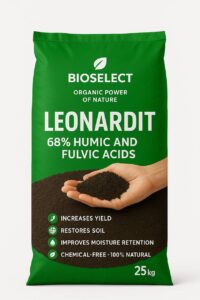 Leonardite is an oxidized form of brown coal., characterized by a high concentration of humic and fulvic acids - complex organic compounds, which have the ability to bind metals, stimulate biological activity and improve the chemical properties of soils and waters.
Main components of leonardite:
Humic acids - responsible for increasing soil fertility and biological activity.
Fulvic acids - have a lower molecular weight, easily penetrate plant and animal cells, improving metabolism.
Minerals and trace elements - necessary for the growth of plants and animals.
Organic acids and polysaccharides — help improve soil structure and biochemical processes.
The chemical structure and biological activity of humic substances make leonardite an indispensable natural resource for many applications..
1. Agriculture and Horticulture
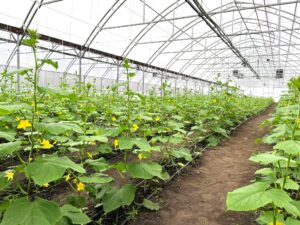 Agriculture is one of the main areas of application of leonardite. Its use helps solve such problems, how to restore soil fertility, increasing productivity and product quality, as well as reducing the negative impact of chemical fertilizers.
1.1 Improving soil structure
Soil is the basis for growing plants. Many modern soils are depleted and have low biological activity. Leonardite solves these problems thanks to:
Increased moisture capacity. Humic acids create structure, holding water in soil pores, what is important in dry regions.
Loosening and aeration. Leonardite reduces soil compaction, improving oxygen access to plant roots.
Increasing humus content. Organic substances stimulate the development of microorganisms, involved in mineralization and provision of nutrients to plants.
pH buffering. Leonardite helps stabilize the acid-base balance, which improves the availability of batteries.
Case Study: farmers in dry regions of Kazakhstan, using leonardite, achieved an increase in soil moisture retention by 15–20%, which significantly increased grain yields.
1.2 Natural fertilizer and plant growth stimulator
Leonardite contains humic acids, which activate plant metabolism:
Improves nitrogen absorption, phosphorus, potassium and trace elements.
Promote root system development, increasing the absorption area of water and nutrients.
Increases plant resistance to disease, pests and unfavorable climatic conditions.
Stimulates photosynthesis and biomass formation.
Scientific research show, that the use of Leonardite can increase yields by 10–30% depending on the crop and region.
1.3 Organic fertilizer and biocomposting
Leonardite is widely used in the production of composts and vermicomposts. It is added to compost heaps, where humic substances accelerate the decomposition of organic matter and increase the humus content.
This reduces the need for mineral fertilizers and improves environmental safety of production.
An example: In Germany, companies use leonardite in organic farming to improve soil fertility without chemicals, which allows us to obtain environmentally friendly products.
2. Ecology and environmental protection
 Soil and water pollution is one of the most pressing environmental problems of our time.. Leonardite plays an important role in eco-technologies for the restoration and purification of natural systems.
2.1 Bioremediation of contaminated soils and waters
Leonardite is capable of binding heavy metals (Pb, Cd, Hg, As) and toxic organic compounds, which reduces their mobility and bioavailability.
It helps:
Restore contaminated soils and prevent toxins from entering food chains.
Clean water bodies from oil products and industrial waste.
Reduce harmful effects on plants and animals.
Technology: crushed leonardite in combination with microorganisms is introduced into the contaminated area - bioremediation is more active, accelerating the decomposition of contaminants.
2.2 Wastewater treatment
Leonardite is used in biological wastewater treatment systems:
It serves as an adsorbent to remove suspended and dissolved contaminants.
Stimulates the activity of microorganisms, improving the quality of cleaning.
Reduces odor and turbidity of water, contributing to its environmental safety.
An example: in Canada and the USA there are projects for the use of leonardite in wastewater treatment plants of industrial enterprises.
3. Livestock and poultry farming
 The use of Leonardite in livestock production is due to its ability to improve animal health and productivity.
3.1 Natural adsorbent and detoxifier
Leonardite binds toxic substances, mycotoxins and heavy metals in the digestive tract of animals, reducing their toxic effects. This is especially important when using feed of questionable quality..
Reduces the risk of poisoning and disease.
Improves intestinal microflora.
Increases immunity and vitality of animals.
3.2 Increased productivity and product quality
Adding Leonardite to your diet helps:
Improved nutrient absorption.
Increased body weight, milk and meat productivity.
Improving wool quality, leather and feathers.
Case Study: on farms in Russia and Ukraine, an increase in cow productivity of 10–15% was noted when using feed additives with leonardite.
4. Production of fertilizers and agrochemicals
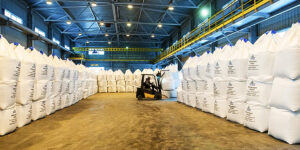 Leonardite is a key component of humic fertilizers, which are becoming increasingly popular as an alternative to traditional chemical fertilizers.
4.1 Creation of humic fertilizers
Including Leonardite in Fertilizers:
Increases bioavailability of nutrients.
Extends the life of fertilizers due to the gradual release of substances.
Reduces the negative impact of mineral fertilizers on the soil.
4.2 Biostimulants and seed treatments
Leonardite is used in the production of products, stimulating plant growth and increasing their resistance. Treatment of seeds with solutions containing leonardite improves germination and resistance to pathogens.
5. Landscape design and improvement
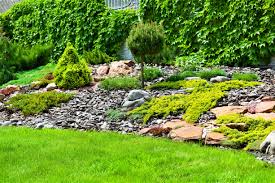 In urban gardening, leonardite helps create comfortable conditions for plants, increasing their survival rate and decorativeness.
5.1 Improving soil in urban environments
Helps restore depleted and contaminated urban soils.
Promotes better moisture retention in arid urban climates.
Supports soil biological activity, improving plant health.
5.2 Increased decorativeness
Plants using Leonardite grow faster, bloom longer, have rich foliage and are disease resistant.
6. Construction and industry
Although Leonardite is a natural organic substance, it is successfully used in construction and industry.
6.1 Improving the properties of building materials
Added to concrete and plasters to increase ductility, strength and frost resistance.
Improves adhesion and durability of building mixtures.
6.2 Industrial waste treatment
Used to absorb and neutralize toxic substances in industrial wastewater and waste.
7. Medicine and cosmetology
Humic acids from leonardite have valuable biological properties.
7.1 Medical applications
Have anti-inflammatory and antiseptic effects.
Used in the treatment of skin diseases, wounds and burns.
Stimulate immune processes and accelerate healing.
7.2 Cosmetology
 Included in natural creams, masks and balms.
Improve skin condition, moisturize and tone.
Used in skin rejuvenation and detoxification procedures.
Benefits of Using Leonardite
Absolutely natural and environmentally friendly product.
Versatility of use in various industries.
Increasing productivity and quality of products in agriculture.
Cleaning and restoring contaminated ecosystems.
Improving animal and human health.
Reducing costs for chemical fertilizers and medications.
Support for sustainable development and environmental safety.
Conclusion
Leonardite is a multi-faceted natural resource, which, thanks to its unique chemical and biological properties, can significantly improve soil quality, increase productivity, promote environmental cleanup and improve the health of living organisms.
Introduction of leonardite into agriculture, environmental technologies, industry, construction and medicine opens up broad prospects for the development of sustainable, economical and environmentally friendly practices.
Using Leonardite is an investment in the future, allowing to preserve natural resources and improve the quality of life on the planet.